


Deciding whether to repair or replace an air conditioner often comes down to balancing upfront cost with longer term comfort and utility bills. Small fixes can return a unit to quiet, steady service while repeated failures shave away savings and patience alike.
Understanding clear signs, typical repair price ranges, and the impact of the system age helps bring order to what can feel like a muddle. The following sections walk through factors that inform a sensible decision and help you act with confidence.
Signs Your Air Conditioner Needs Repair
Strange clanking, grinding, or hissing noises from the outdoor or indoor unit are classic signals that something inside is failing and that repairing the item should be assessed promptly. Weak airflow, cold spots in rooms, or an indoor unit that blows warm air instead of cool often trace back to clogged coils, a failing compressor, or restricted ducts, each of which has distinct repair paths.
Visible leaks and ice forming on evaporator coils are red flags that denote refrigerant loss or restricted refrigerant flow and warrant immediate diagnostic work. A trained technician can perform a careful check that identifies the failing components and estimates how much life a repaired unit might realistically return.
How Age And Efficiency Affect The Decision
An air conditioner that has spent ten to fifteen years on the job typically shows declining performance as motors and seals wear and efficiency drops compared with modern units. New models offer higher seasonal energy efficiency ratios which lower monthly bills and reduce carbon footprint while often including updated fans and compressors that run quieter.
Availability of replacement parts for older models can be sparse, and older refrigerants sometimes involve special handling rules that increase service costs. When the unit struggles to cool evenly or parts fail in sequence, replacing the entire assembly can turn out to be the smarter financial move over the medium term.
Comparing Repair Costs To Replacement Price
A common rule of thumb used by many in the trade is that repair expenses approaching half the cost of a new system deserve careful thought about buying new instead of repairing. Minor fixes that total a few hundred dollars often make sense for a relatively young system with otherwise good performance and clean maintenance records.
Major expenses such as replacing the compressor or fixing a cracked heat exchanger frequently push repair bills into the high hundreds or beyond a thousand dollars, which can nudge the choice toward replacement. Obtain at least two written estimates when repair quotes are large and compare items line by line so you have a clear picture of what parts labor and warranties include.
Frequency Of Breakdowns And Reliability
If a system requires service multiple times in a single season the pattern signals that internal wear is accelerating and that ongoing reliability is in question. Each return trip carries labor and diagnostic fees that compound the total ownership cost and reduce the appeal of repeated patchwork fixes.
When technicians replace a variety of components over months rather than years, the odds are strong that further failures will continue to crop up as other aged parts begin to falter. Keeping a simple log of service calls and parts replaced gives a solid basis for weighing whether continued repairs represent good value.
Refrigerant And Environmental Rules
A number of older units use refrigerants that have been phased out from regular use and require special recovery and disposal that add to repair costs and complexity. When a system needs a refrigerant recharge the price and legal requirements can be higher if the charge uses a phased out chemical or if certified recovery equipment is required.
Replacement sometimes streamlines the situation since a new unit uses a current refrigerant with standard handling and widely available parts. Ask technicians to list refrigerant type and any additional fees tied to its handling so those expenses are clear up front.
Size Capacity And Home Comfort
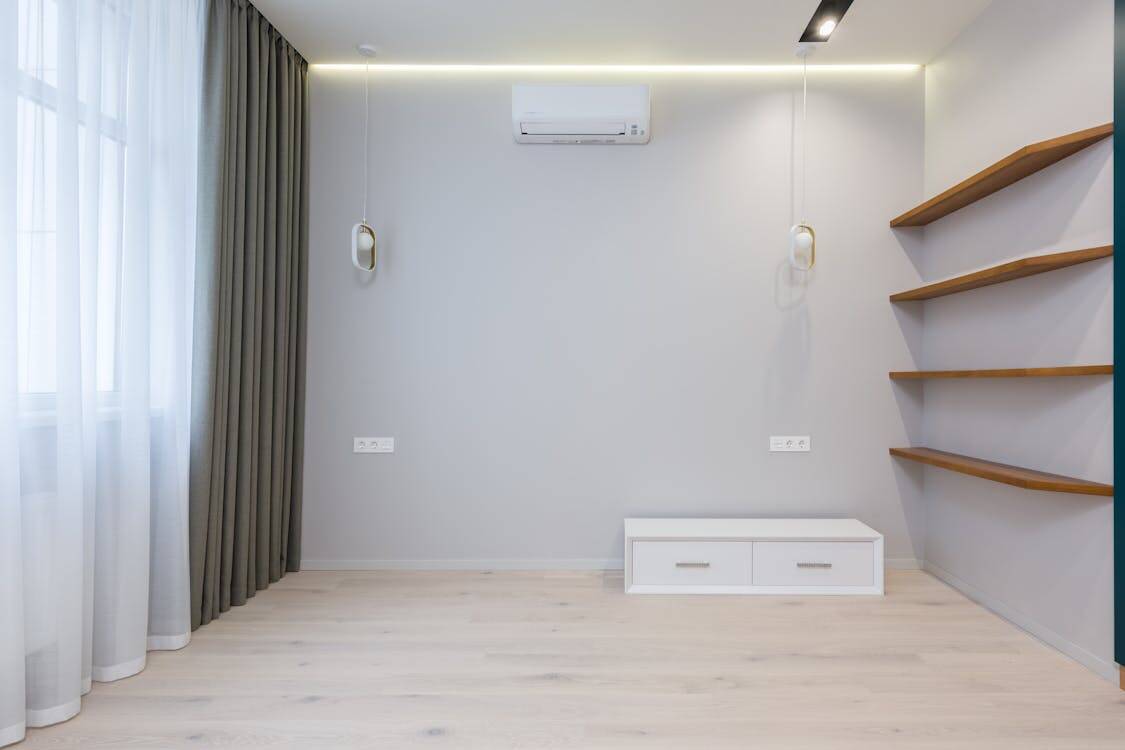
An air conditioner that is undersized will run nearly constantly in warm weather and struggle to reach a comfortable indoor temperature, while an oversized unit cycles on and off quickly which increases wear.
Changes in the home such as added living space, upgraded insulation or new windows affect cooling load and can make the original system a poor fit even if it performed adequately in the past. When comfort problems are linked to sizing a replacement provides an opportunity to match capacity to the current house characteristics and to improve dehumidification and quiet operation.
If you’re unsure about what system best suits your home, consulting hvac companies london can provide tailored recommendations based on your specific needs. Repairing a unit that is fundamentally the wrong size often treats the symptoms without fixing the root cause of poor performance.
Energy Savings Incentives And Long Term Bills
Local rebates tax credits and utility incentives for high efficiency replacements sometimes reduce the apparent price gap between repair and new purchase and can shave thousands off out of pocket costs. A newer high efficiency unit typically lowers monthly electricity bills so the lifetime cost of ownership can be meaningfully less than sticking with an inefficient older system.
Running a simple payback estimate that compares the added cost of a new system against expected annual energy savings helps reveal the number of seasons before a replacement pays for itself. Many utilities also offer financing options or instant rebates which can spread payments and make the upgrade easier for households on a tight monthly budget.
Finding A Trustworthy Technician
Hire a licensed HVAC technician who provides clear written estimates outlines parts warranties and explains the scope of work in plain language rather than using vague terms. Read short online reviews check trade association memberships and ask neighbors about recent repair or replacement experiences to gauge punctuality and workmanship.
A reputable pro will offer a diagnostic that separates cosmetic issues from genuine safety concerns and will refuse to perform unnecessary work. If the diagnosis sounds rushed or if figures jump without good explanation get a second opinion so you can proceed with greater confidence.