

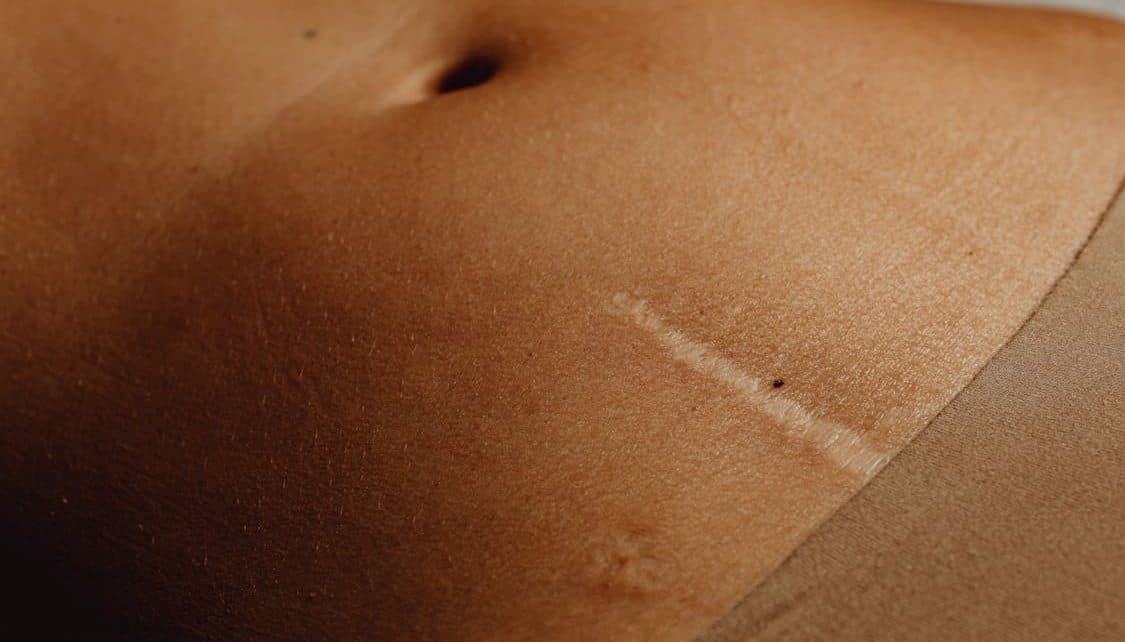
Time heals most wounds, but scars often tell a story that sticks around long after the event. Some marks fade to the point where you barely notice them while others stay obvious and can affect how you feel about your skin.
Science and modern medicine offer tools that can soften, blend, and reduce the visibility of old scars, yet total erasure is not always guaranteed. What follows explores the mechanisms, treatments, and realistic outcomes so you can weigh options with plain talk and a clear head.
What Is A Scar
A scar is the body scoring its own repair work when skin has been cut or otherwise injured, replacing normal tissue with fibrous tissue that is not an exact copy of what was lost. The degree of visible change depends on the depth of the wound, the body area involved, and how your skin handles repair work at the cellular level.
Scars can be flat, raised, sunken, or discolored, and each type reflects a different pattern of collagen laid down during healing. Knowing the basic nature of a scar sets the stage for choosing the most fitting approach to reduce its appearance.
Why Old Scars Persist
Old scars persist because the collagen and other structural proteins set during healing become organized into a pattern that the body rarely rearranges back into the original form. Over time some redness or pigmentation fades as blood vessels and pigment cells normalize, but the underlying fibrous tissue often remains.
Age, genetics, skin tone, and repeated tension over the repaired area influence how visible a scar stays even many years later. The truth is that time can soften a scar but it does not always make it disappear entirely.
Types Of Scars And How They Differ
Keloid scars grow beyond the boundary of the original injury and may feel firm and raised, while hypertrophic scars stay within the wound margins and can shrink over months to years. Atrophic scars, often linked to acne or chicken pox, appear as depressions because tissue was lost at the time of injury.
Stretch marks are another variant that look like lines and result from rapid stretching of the skin, such as during growth spurts or pregnancy. Each type calls for a tailored strategy because a method that helps a depressed scar may not be useful for a raised firm scar.
How Skin Heals After Injury
When skin is injured a cascade of signals calls in cells to clear debris and build new matrix material, chiefly collagen, to close the gap and restore integrity. Early stages involve inflammation and formation of granulation tissue, then remodeling over months in which collagen fibers thicken and align to strengthen the area.
This remodeling phase is where scars form their ultimate character, and it can last many months or even years, which is why early care matters a great deal. Sometimes the repair goes a little overboard, making a bump, and other times it falls short, leaving a dip.
At Home Measures That Help
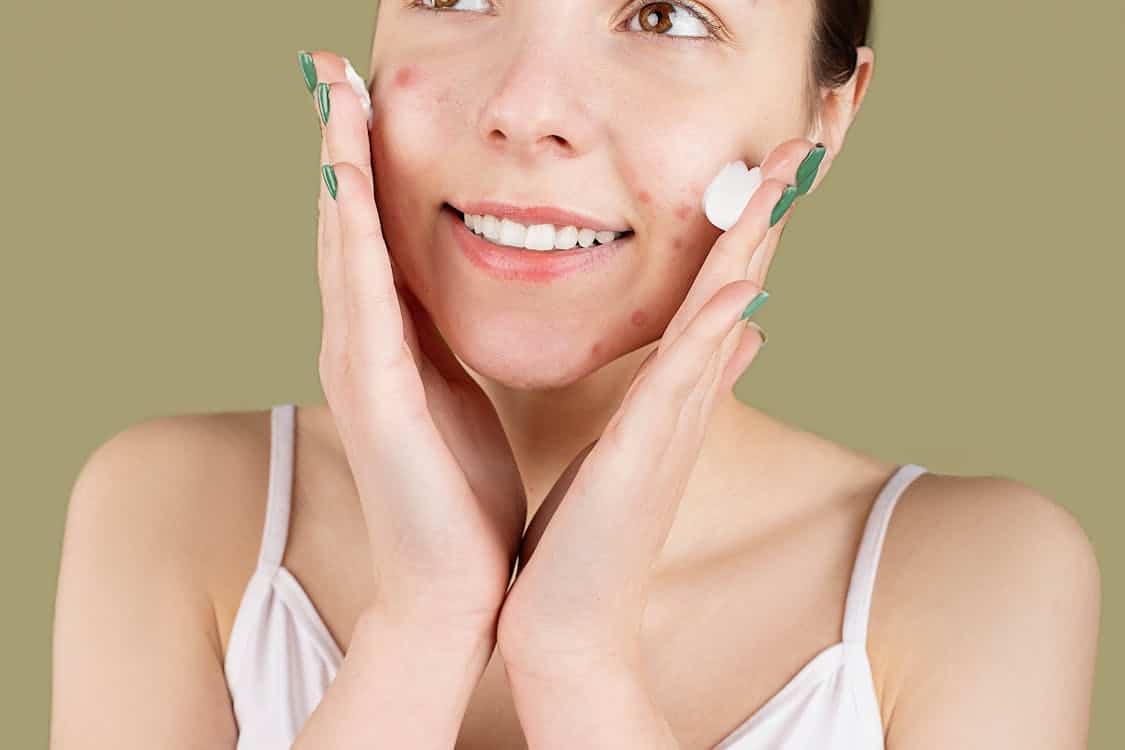
Sun protection is a simple step that pays off because ultraviolet exposure can darken scars and make them more obvious for years after the injury. Gentle massage and keeping the area hydrated with a non irritating cream or an approved gel can support tissue mobility and comfort while you let nature do its work.
Over the counter silicone sheets and silicone gels have evidence showing they reduce the height and redness of some raised scars when applied consistently for several months. Small habits like avoiding picking at scabs and protecting the skin from further trauma keep new scars from forming or old ones from worsening.
Topical And Prescription Treatments
Topical retinoids can help with superficial texture and pigment by nudging skin cell turnover in a measured way and are used commonly for acne scars under supervision.
Corticosteroid injections into raised scars can flatten and soften them by calming excess collagen production, and a clinician will space treatments to avoid thinning the skin.
Other prescription options include certain brightening agents that address pigment differences and can help scars match surrounding skin more closely over time. Each drug carries potential side effects, so a health care provider will weigh the likely benefits against the risks for your particular case.
Laser And Light Based Therapies
Laser work ranges from procedures that target pigment to those that gently resurface the skin by creating microscopic areas of injury that prompt controlled remodeling. Fractional lasers create columns of new growth while leaving surrounding tissue intact, encouraging a faster and safer recovery than older techniques.
Pulsed light and vascular lasers can tackle redness while newer non ablative devices stimulate collagen beneath the surface without breaking the skin fully. Scar removal treatment specialists can tailor laser sessions to your scar type, ensuring optimal results and minimal side effects.
Surgical And Microneedling Options
Surgical scar revision is not about magic but about exchanging one line for another that is less visible, positioned in a natural wrinkle or crease, or reduced in tension to heal more neatly.
Microneedling creates tiny channels that help remodel collagen in a way that can improve texture and depth, often used with topical serums that penetrate more efficiently afterward.
For serious deformities a graft or flap can bring healthier tissue into the area, yet every operation carries trade offs such as new incision lines or recovery time. Picking the right tool is about matching the scar type, your skin tone, and your tolerance for downtime.
Realistic Outcomes And Timeframes
Most therapies will improve a scar rather than erase it, and expectations that a decades old mark will vanish completely are often dashed by reality. Noticeable change can show up within weeks for some interventions, but the full effect is usually measured in months, since tissue remodeling is a slow business.
Multiple modalities used in sequence or in combination tend to yield the best balance of improvement and risk management, much like pairing ingredients to get the desired flavor. Make peace with gradual progress and set targets that are achievable rather than chasing perfection.
Choosing The Right Path For You
Start by getting an assessment from a qualified clinician who can explain the pros and cons of each option for your particular skin and scar type, and ask for before and after photos that reflect realistic results.
Factor in your schedule, budget, tolerance for discomfort, and the level of risk acceptable to you, because the least invasive path often takes longer to show results.
Mental and emotional aspects matter too since a scar can affect self image, and a counselor or support group can help when the visual change is tied to a deeper story. Picking a plan that fits your life as well as your skin will make the whole process easier to live with.