
Rehabilitation after illness or injury can take many shapes and can be tailored to the person sitting in the clinic chair or working through care at home. Healing often asks for a blend of hands on care, mental work, and steady habits that stick.
Choosing the right path means matching methods to goals and to the realities of life outside the clinic. A clear plan that adapts as progress is made can help get someone back on track and keep them there.
Physical Therapy And Movement Based Care
Physical therapy focuses on restoring strength, range of motion, and functional skill through guided practice and progressive challenge. A therapist assesses movement patterns, prescribes exercises, and adjusts load to push gains without causing harm.
Many patients report that simple repeated tasks that grow harder over time build confidence and translate into everyday abilities. When recovery feels like a hard nut to crack, steady, measurable steps can put the ball in the client court.
For those seeking additional support on their journey, Sydney Detox & Rehab offers tailored rehabilitation programs that address both physical and mental well-being.
Occupational Therapy For Daily Function
Occupational therapy helps people return to meaningful routines such as dressing, cooking, or working with tools and tech. Sessions often combine skill teaching with adaptive strategies so tasks feel doable rather than frustrating.
Therapists can recommend small changes at home that save energy and reduce risk of re injury while promoting independence. A practical focus makes gains visible and often leads to quicker reengagement with life roles.
Cognitive Behavioral Therapy For Healing
Cognitive behavioral therapy addresses thought patterns and behaviors that block recovery or increase pain perception. By testing beliefs and practicing new responses, clients learn to break cycles that feed distress and physical tension.
This approach tends to be structured and goal oriented, which helps people measure progress in clear ways. The work can feel like retraining a muscle for the mind and often supports better sleep, mood, and pain control.
Motivational Interviewing And Behavior Change
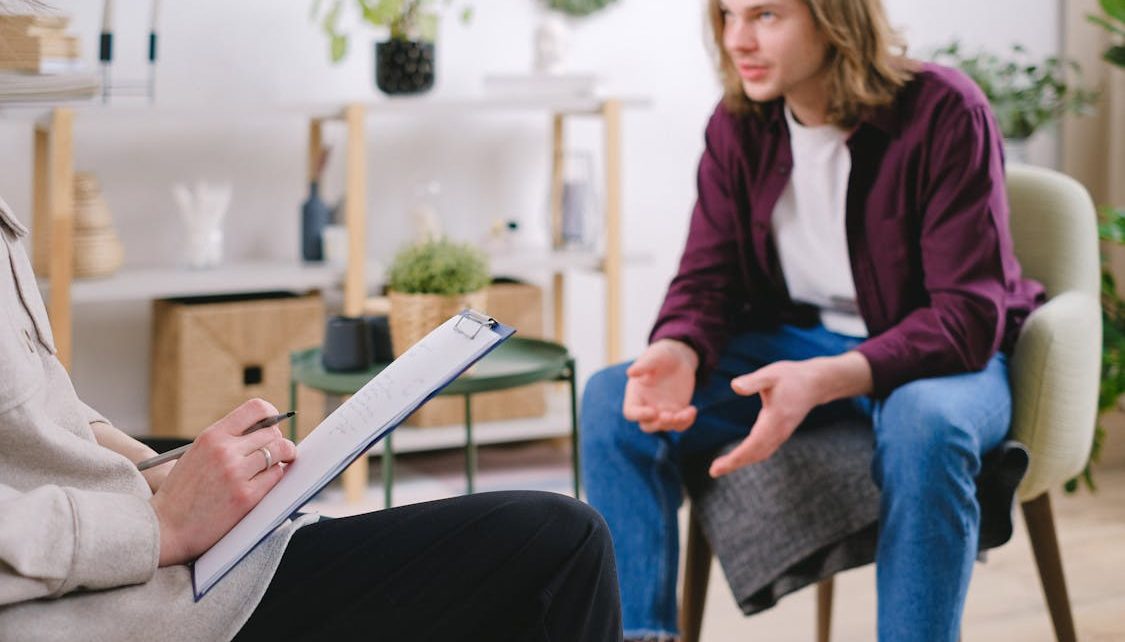
Motivational interviewing is a conversational method that helps people find their own reasons to change and to act on those reasons. It avoids lectures and instead asks open questions that reveal values and readiness for steps ahead.
When a person feels heard and in charge, they often make more durable choices and stick with challenging rehab tasks. The gentle push of reflective listening can turn early resistance into steady momentum.
Medication Assisted Treatment Options
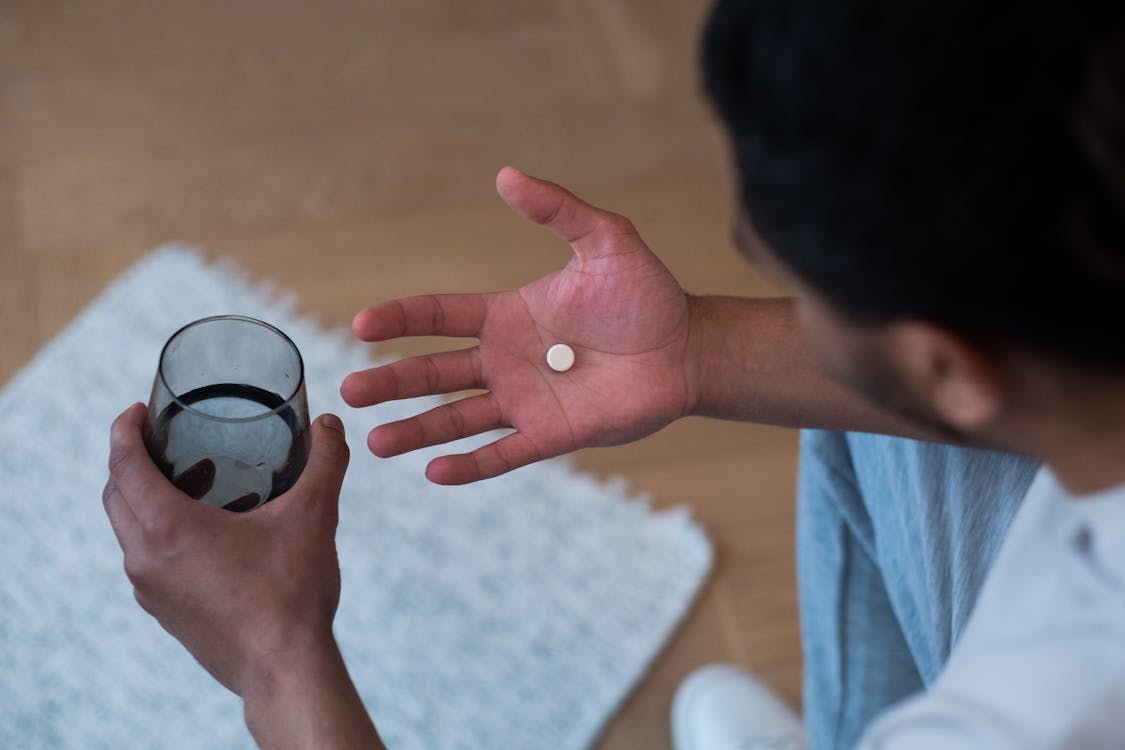
Medication assisted approaches pair prescribed drugs with counseling and support to reduce symptoms and to stabilize health so other rehab work can proceed. Medications can target pain, inflammation, mood, or biological cravings, creating a window where therapy and learning take hold.
Care teams monitor response and adjust plans to minimize side effects while maximizing function. When used wisely, drugs become a tool that keeps a person engaged in the bigger healing plan.
Group Therapy And Peer Support
Group work brings together people who face similar hurdles so they can share tips, failures, and small victories in a safe setting. Hearing others is often a wake up call that one is not alone and that practical solutions exist outside theory.
Facilitated groups also build social skills and accountability that translate to better outcomes at home and work. The shared energy of a room can spark hope and action in ways single sessions do not.
Family Involved Intervention And Education
Involving family members can change the odds of sustained recovery because support systems shape daily choices and the home environment. Education equips relatives to help without overdoing it and to reinforce strategies learned in therapy sessions.
Family sessions create a shared language for problem solving so everyone pulls in roughly the same direction. When family members become allies rather than bystanders, progress tends to stick.
Holistic And Complementary Approaches
Holistic options such as mindfulness training, gentle bodywork, and certain movement arts can ease stress and improve body awareness that supports other therapies. These practices often target the nervous system and encourage a calmer baseline from which active rehab proceeds.
Gentle methods may not be a quick fix but they help with tolerance for other treatments and with long term resilience. Many people find that a few complementary tools help them weather setbacks and keep their eye on the prize.
Residential Programs And Structured Care
Residential programs provide a concentrated period of treatment where work hours, therapy, and recovery routines are built into each day. The structured environment removes many daily decision pressures and allows for intense learning and habit building.
Staff provide around the clock support and coordinate care so progress can be rapid and well supervised. For complex needs, temporary immersion in a focused setting often lays down a firm base for later outpatient work.
Outpatient Services And Aftercare Planning
Outpatient services allow people to continue progress while living at home and returning to regular roles in family and work life. Good aftercare planning links active treatment to long term supports such as community resources, follow up visits, and step down options.
The best plans include relapse management strategies so a setback becomes an opportunity to adjust rather than a roadblock. When care folds into daily life, gains are more likely to last and to grow.