


Aging parents often need more hands on help with day to day tasks and health needs, and families want peace of mind about where to turn. Safety can mean physical protection from falls and medication mistakes as well as emotional well being and respect for personal choice.
Many services aim to cover those bases with trained staff clear rules and regular checks that help reduce obvious risks. By looking at how programs operate who watches over them and what families can do it becomes easier to separate hype from sound practice.
How Regulation Helps Protect Seniors
Regulation sets minimum standards that licensed providers must meet and that gives families a baseline to compare against, much like rules of the road keep drivers in line. Inspections and public records often capture violations and follow up steps so a history of repeated problems will show up long before trust is placed.
Licensing alone is not a guarantee of perfect care but it does create a formal channel for oversight and accountability that did not exist in times gone by. When an agency follows the rules and welcomes scrutiny that is a sign that safety and respect for clients are taken seriously by leadership.
Screening And Training For Care Staff
Good providers use background checks reference checks and skills assessments to reduce the chance of hiring someone unfit to work with vulnerable adults, and that process is a first line of defense.
Training programs teach staff how to move a person safely prevent falls give medicines and respond when a health measure changes, and regular refreshers stop skills from collecting dust.
Turnover can be high in this field so retention efforts and fair pay matter a great deal if families want continuity and a trusted face in the home. When staff know the routines and have time to carry them out well the result is less stress for both the parent and the family.
Personalized Plans And Communication
A clear written plan that reflects daily needs health conditions and personal preferences acts as a common map for staff family members and health professionals to follow. Families who use elderly and disabled home support services often notice that strong communication habits help spot issues early and keep everyone working toward the same goals.
Regular meetings or brief check ins let everyone flag small changes before they grow into bigger problems, which is an ounce of prevention worth more than a cure in many cases.
Open lines of communication that include logs photos or short notes about meals sleep and mood build a picture over time that can reveal patterns no single visit would show. When families are invited into the loop and their concerns are taken seriously trust grows and potential blind spots shrink.
Safety In The Home And Facility Settings
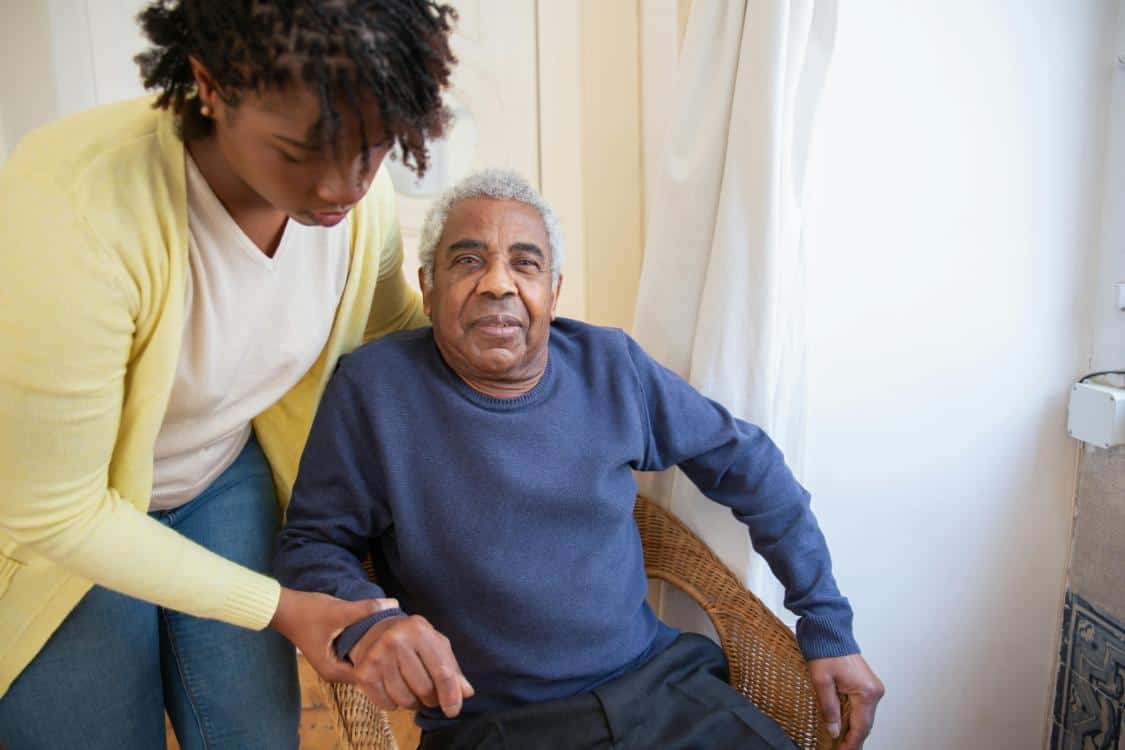
Whether care happens at home or in a facility the physical environment makes a huge difference in accident risk and quality of life, with good lighting clear walkways and grab bars cutting the odds of a bad fall.
Emergency response systems that link a person to help with a button voice activated assistant or a nearby staff member shorten the time between an incident and treatment which is vital in many medical events.
Cleanliness infection control and food safety are everyday practices that protect health even when they do not attract headlines. Visiting at different times of day gives families a sense for how well the place hums along when the staff are busiest or the parent is most tired.
Medication Management And Health Monitoring
Medication errors are a leading worry for families and systems that use checklists double verification and clear labeling lower that risk markedly. Electronic records that time stamp administration or pill organizers checked each shift add layers of verification so a missed dose is less likely to slip through the cracks.
Regular health monitoring such as weight checks blood pressure and mood screening can reveal early signs of trouble when action can still be simple and effective. Good practice is to have a single point person who can explain the regimen and speak in plain words about any changes.
Reporting And Handling Of Concerns
A straightforward mechanism to report worry or wrongdoing keeps small issues from hardening into serious harm and signals that the provider accepts responsibility for fixing problems.
Documentation of complaints steps taken and timelines creates a paper trail that protects both the parent and the provider if an outside review is required.
Staff need to be trained to accept feedback without becoming defensive so that a culture of learning replaces a culture of blame. When families see timely action and transparent follow up they are more likely to raise matters early rather than bottling them up until something breaks.
Balancing Independence And Protection
Maintaining dignity and agency for an aging parent often means accepting a little risk in exchange for a lot of meaning in daily life, such as being able to make a meal or go for a short walk.
Safety measures should be the kind that protect without turning life into a list of no go items that sap joy and purpose.
A gradual approach where levels of support are raised or lowered based on real changes lets people keep control while staying safe. It is often possible to find a middle ground where the parent feels respected and the family sleeps at night.
Choosing The Right Provider
Selecting a provider starts with a list of practical checks such as license status staffing ratios and references from current families, then moves to less tangible cues like how staff speak and whether policies seem driven by care or profit.
Visiting during shift change meal times and evenings reveals a lot about rhythm and responsiveness and gives a sense for how the place runs under normal pressure.
Ask for a trial period or a short term plan so that any mismatch can be corrected without a long commitment. Trust builds slowly and a provider that earns it by steady reliable practice is worth paying attention to even if the search feels like finding a needle in a haystack.