

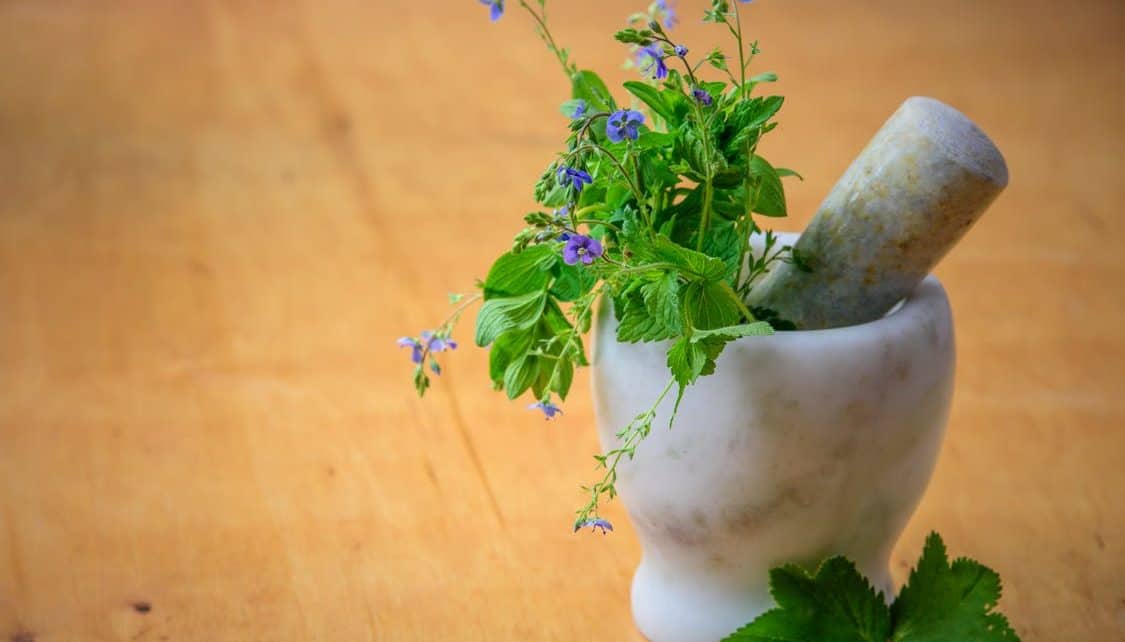
Natural medicine can offer useful options for routine aches and common ailments when chosen with care and sense. Picking herbs or supplements calls for clear goals, basic research and respect for safety signals that come from both science and lived experience.
Small habits and thoughtful choices often make the difference between a short lived fix and steady improvement over time. The following sections lay out steps that mirror how people actually think and act when they seek gentle remedies.
Evaluate Symptoms And Health Goals
Begin by naming the precise symptom, noting its onset, intensity and any triggers that make it worse or better, and write those points down. Think about what outcome matters most to you such as easing pain, improving sleep quality or calming digestion, and set a realistic time frame for change.
Ask if the issue is part of a longer pattern or a one off event because that alters which remedies make sense and how closely monitoring should occur. A clear statement of intent helps narrow options and keeps choices grounded in what will actually improve day to day life.
Research Evidence And Safety
Seek out human studies, systematic reviews and credible clinical reports that relate to the plant, extract or nutrient under review, focusing on dose ranges that showed benefit.
Look for independent testing and laboratory analysis that confirm purity and absence of contaminants since product quality can vary widely between makers.
Pay attention to reported side effects, common adverse events and the populations studied so you can judge how relevant the data is to your own circumstances. Patterns in the evidence are more useful than single glowing testimonials and learning how researchers measure outcomes will sharpen your reading of claims.
Check For Interactions With Medications
Make a full list of prescription drugs, over the counter pills and any other supplements you take and bring that list to a clinician or pharmacist for a safety check. Some herbs alter liver enzyme activity and change how quickly medications leave the body, which can raise or lower drug levels in surprising ways.
Herbs that affect blood clotting, blood pressure or blood sugar deserve special caution since mixing them with related drugs can produce strong effects. Professional review is the fastest way to detect serious interactions and protect against unexpected complications.
Choose Quality Brands And Sources
Focus on manufacturers that publish batch testing, certificate of analysis documents and clear ingredient panels that list active compounds and exact amounts.
Certifications such as good manufacturing practices and organic growing claims add a layer of accountability although they do not guarantee therapeutic effect.
Avoid products that hide quantities behind vague language or proprietary blends that do not disclose component amounts. Retailers with a track record of honesty and full disclosure reduce the odds of encountering mislabeled or adulterated goods.
Some consumers look for terpenes in edibles as a way to choose products that match their taste preferences.
Start With Low Doses And Watch Responses

Begin at the lower bound of recommended dosing and allow a fair trial period while monitoring symptoms in a simple daily log that tracks benefit and any side effects. Increase slowly and only if steady improvement is absent and no troubling reactions have surfaced, using small steps rather than large jumps.
Watch for changes in sleep patterns, appetite, mood and digestion since these can be early signs that a product is affecting you in broader ways. A cautious plan helps keep the balance between giving a remedy a chance and avoiding unnecessary exposure.
Use Lifestyle Measures Alongside Remedies
Pair herbs and supplements with basic habits that support their action such as regular sleep routines, whole food intake and modest physical activity that matches your capacity.
Simple non pharmaceutical moves like a brief walk after meals, mindful breathing before bed and a consistent morning light exposure often multiply the benefit of a targeted product.
Treat natural medicine as a partner that amplifies sensible day to day choices rather than as a lone solution that has to carry the whole load. When lifestyle shifts are in place, smaller doses of remedies can sometimes produce the desired effect.
Special Tips For Common Issues
For upper respiratory coughs and congestion look into elderberry, echinacea and steam inhalation to soothe airways and support comfort during recovery.
For sleep troubles many people find valerian root, chamomile tea and magnesium helpful when used with a calming pre sleep routine that reduces evening stimulation.
For mild digestive upset ginger and peppermint often relieve nausea and bloating when taken in moderate amounts and with attention to triggers such as rich meals or stress.
For chronic joint ache turmeric based extracts and willow derived products are options that can reduce inflammation like a softening touch, yet blood thinning and stomach effects should be checked in advance.
Know When To Seek Professional Care
If an acute sign appears such as a very high fever, severe chest pain, sudden shortness of breath or confusion, seek immediate evaluation since these require urgent diagnostic care.
Persistent problems that interfere with daily tasks deserve a full assessment that can include labs or imaging to rule out hidden causes before long term self treatment proceeds.
Bring a complete list of herbs and supplements to any appointment so the clinician can integrate that information into a safe plan. When subtle warning signs occur, erring on the side of professional guidance is the sensible route rather than prolonged guessing.