

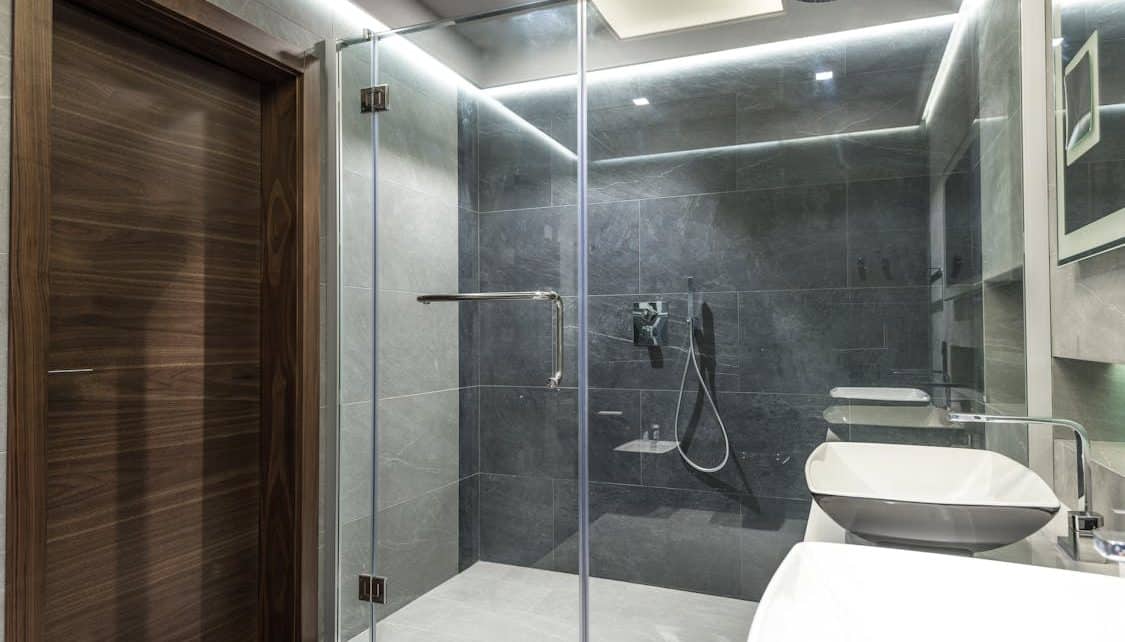
Aging brings changes in strength, balance and senses that affect how people use water at home. Smart and simple plumbing ideas can make bathrooms and kitchens safer and more pleasant without turning a house into a clinical space.
Thoughtful choices reduce hassle, cut risk and let older adults keep dignity and control over daily tasks. Practical design that mixes new tech with familiar forms often hits the sweet spot between comfort and capability.
For households planning these upgrades, it can be reassuring to work with trusted local plumbers for Brisbane seniors who understand how small adjustments in layout and fittings can make a big difference to everyday safety and independence.
Accessible Fixtures And Controls
Accessible fixtures put controls within reach and make actions clear for people with limited dexterity. Lever style handles and large round knobs require less fine finger motion and let someone turn a faucet on with the side of a hand or the heel of a palm.
Clear tactile markings or raised dots near controls help when sight is reduced and give confidence when fingers are used to find a setting. Designers aim for a look that is friendly and familiar so the hardware blends into home life and does not shout medical grade.
Walk In Bathtubs And Low Threshold Showers
Walk in bathtubs and low threshold showers remove the barrier of a high step that can trip a person up. Seats that are built in and surfaces that are slip resistant provide steady support while bathing and reduce the need for awkward standing.
A thoughtful layout places grab points within the line of reach to keep motions smooth and to cut the risk of overreaching. Many models include handheld spray heads that make washing easier while seated and that reduce the need to lean or twist.
Grab Bars And Supportive Hardware
Grab bars that anchor solidly to studs or to reinforced backing become reliable allies when shifting weight or getting up. Contemporary designs favor bars with gentle curves and textured grips that look like part of a modern interior rather than hospital gear.
Placement matters more than size and installers often follow choreography that maps the flow of typical daily moves and places support where the motion needs it most. A little planning can turn a risky pivot into a steady transition and let a person move through a routine with less strain.
Hands Free Faucets And Sensor Controls
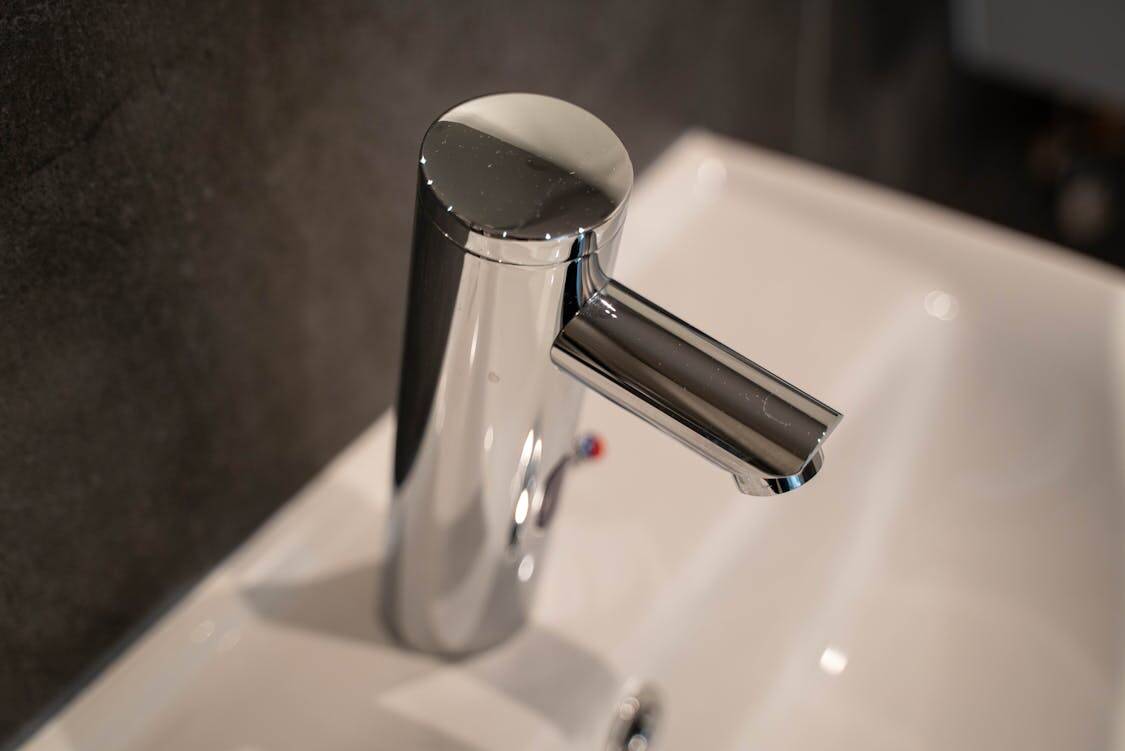
Hands free faucets respond to motion and cut the need to turn a handle while hands are wet or shaky. These systems conserve water by shutting off automatically and reduce the chance of cross contamination when used after handling medicines or food.
Sensors can be tuned so a brief wave does not trigger a blast and the flow can be limited to a gentle stream that is easy to manage. For those who prefer a physical sense of control, models with a simple manual override keep things familiar when technology feels too unfamiliar.
Anti Scald Devices And Temperature Regulation
Temperature regulation systems protect skin that grows more fragile with age by limiting spikes of hot water and keeping warmth steady. Thermostatic mixing valves blend hot and cold water to deliver a set temperature even when another tap is opened down the hall.
Some devices show a clear tactile or visual signal when the water reaches the chosen level so surprises are less likely. The result is a safer wash and a smaller chance of painful hot water accidents that can lead to long term injury.
Toilet Innovations And Personal Hygiene Options
Toilet height and seat geometry can change a difficult squat into a comfortable sit and stand motion that conserves energy. Comfort height models reduce knee strain and pair well with support rails placed at ergonomic angles to help the shift from sitting.
Integrated wash and dry features add personal hygiene without bending or twisting and can be a game of cat and mouse with mobility issues turned plain and simple. Quiet flush and bump free lids are small touches that prevent startling a person who moves slowly or who wakes mid night.
Leak Detection And Smart Water Management
Leak detection systems catch slow losses that might otherwise go unnoticed and cause slips, mold or high bills that hide in the background. Sensors placed under sinks and behind appliances send alerts to a phone or to a simple alarm so response can be quick and not guesswork.
Automatic shut off valves can stop flow if a leak is large and a neighbor or family member is not nearby to intervene. The tools keep water problems from growing into urgent repairs and give peace of mind for those who like to sleep on it.
Easy To Maintain Piping And Durable Materials
Piping and fixtures that resist corrosion and blockages lower the need for frequent service calls and make maintenance less of a headache. Smooth bore pipes and trap designs that limit buildup let water run clear and reduce the need to snake lines at odd hours.
Surfaces that clean with a soft cloth or mild solution prevent harsh scrubbing and spare fragile hands from harsh tasks. Selecting materials that last longer means fewer surprises and more time enjoying the day rather than chasing small problems.
Training For Installers And Family Caregivers
Training that teaches installers to think like an older user changes the way a bathroom gets laid out and how hardware is positioned. Small habits such as checking reach lines, testing strength required to turn knobs and verifying toilet transfer zones create installs that work in real life.
Family members who learn a few adaptive techniques can tweak small things in a home and save energy and frustration for everyone involved. The human touch in planning often makes the technology sing and keeps solutions grounded in what people actually do.
Lighting Sound And Sensory Considerations
Good lighting reduces false steps and makes grips and markings easier to find at a glance and at night without floodlights that wake a partner. Contrast between surfaces helps the eye pick out edges and handles and cuts down on uncertain reaches that lead to slips.
Audible cues and soft sounds can guide a user through a sequence of actions while maintaining calm and not shouting over the room. Taking account of how sight, hearing and touch change with age makes the plumbing system part of a sensory friendly home rather than an afterthought.