

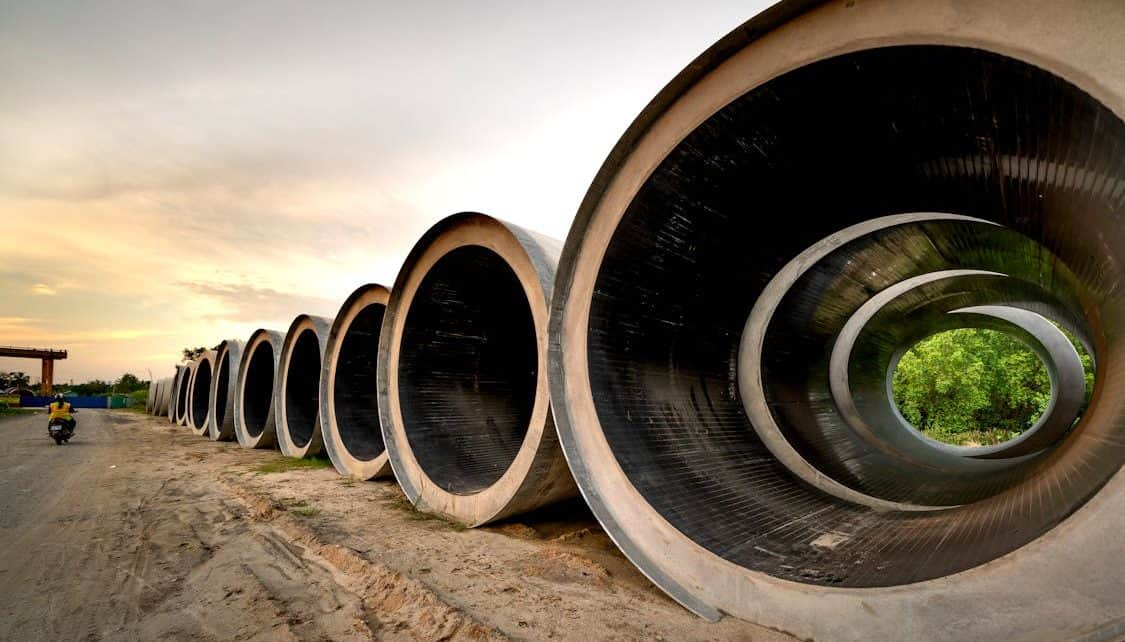
Choosing the right material for a pipe can change the whole story of a project. A poor pick will show up as leaks, failed joints, extra repairs and unhappy users.
Engineers, installers and owners all share a stake in that choice because the consequences ripple through cost, safety and service life.
Corrosion Resistance And Chemical Attack
Corrosion eats away at metal and leads to hidden losses that often catch people off guard. Materials that resist corroding react less with the fluid they carry and the environment around them, so failures happen far less often.
In salty air or acidic fluids the wrong metal will thin and weaken long before its expected service life ends. Choosing a material that matches the chemical profile of the flow cuts risk and keeps maintenance bills from piling up.
Mechanical Strength And Pressure Ratings
Pipes must stand up to pressure and physical loads without bulging, cracking or bursting. Every material comes with a rated strength and a behavior under stress that tells engineers what pressure and load it can handle day in day out.
Using a weak material for a high pressure line is a recipe for leaks and sudden breaks, while an overbuilt choice raises cost and weight with little gain. Matching strength to expected duty keeps systems safe and avoids surprises at startup.
Fluid Compatibility And Contamination Risk
Some piping materials react with fluids in subtle ways, altering taste, color or chemical balance of the product that flows through them. Food grade lines, medical gas lines and potable water systems must be made from materials that will not shed particles or react and form deposits.
When traces of a material end up in the flow the downstream equipment may clog or sensors may drift, creating false alarms. Picking a compatible pipe material keeps the fluid clean and the process running true.
Temperature Performance And Thermal Behavior
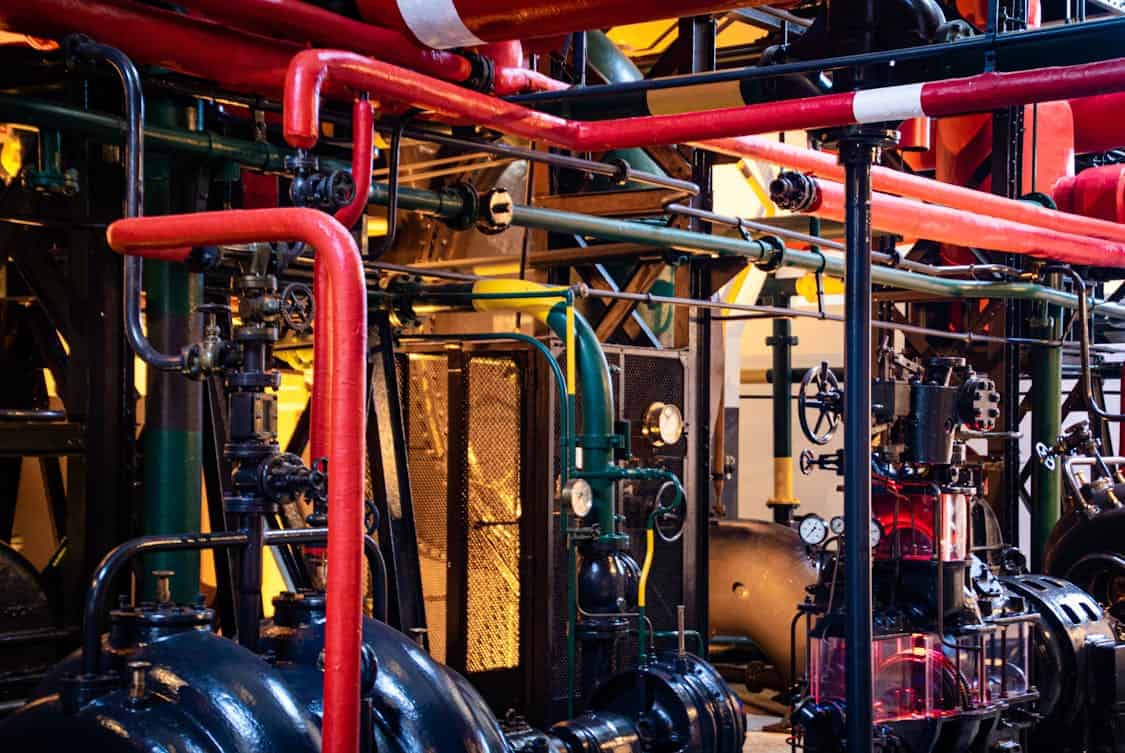
Temperature swings put pipes through a constant cycle of expansion and contraction that builds stress over time. Materials expand at different rates and some become brittle when cold or soften when hot, so the thermal profile of the system drives material choice.
Heat transfer also matters because certain materials insulate while others conduct, affecting energy use and condensation risk. A sound pick lets the pipe survive thermal cycles and keeps joints tight and reliable.
Longevity Maintenance And Repair Burden
Material selection sets the cadence for upkeep and the scope of repair work that will be needed over years of service. A durable material with slow wear rates reduces the number of interventions and the time workers spend on scaffolds or in trenches.
When repairs are rare the operating budget breathes easier and downtime for the process drops, which is money in the bank for many operations. When replacement is inevitable, ease of repair and availability of spare parts become major factors.
Fabrication Welding And Joining Methods
Not every material plays nice with standard joining methods or common shop tools, which affects shop time and field labor. Some alloys weld easily and hold strength, others need special welding procedures or adhesives and trained hands to make a reliable joint.
That has a knock on effect on schedules and contractor bids since time on site is expensive and tricky joints slow progress. Choosing a material that fits the chosen fabrication and joining approach keeps assembly predictable.
Cost And Life Cycle Economics
Upfront price is only one piece of the puzzle when evaluating pipes for a project or plant. A cheap material that corrodes fast or needs frequent service will cost far more over its life than a pricier option that lasts decades.
Working with a trusted SSAW Pipe Manufacturer ensures consistent quality, full traceability, and reliable supply, which can save both time and money over the life of a project.
Life cycle thinking adds up purchase cost, installation, maintenance, downtime and disposal to produce a clearer financial picture. Making that arithmetic part of the selection process helps avoid surprise bills and keeps budgets intact.
Environmental Impact And Regulatory Fit
Materials carry an environmental footprint from extraction to disposal and some face strict rules for use in certain settings. Regulations may restrict what can be used in public water systems, food handling or near sensitive habitats, and choosing the wrong material can lead to fines and forced replacement.
Recyclability, embodied energy and long term waste streams also enter the discussion when large networks are at stake. Picking a compliant material avoids legal headaches and reflects a wider duty to the planet.
Mechanical Wear Erosion And Solid Handling
Flows that contain sand slurry granules or other solids are hard on pipe walls and fitting faces, and the wrong material will wear fast. Wear rates vary widely between metals, plastics and composites and that variance changes maintenance intervals and expected part life.
In abrasive services it is common to go for hard faced liners or abrasion tolerant alloys to keep flow paths intact and predictable. The right material choice helps the system shrug off grit and keeps the throughput steady.
Compatibility With Inspection Monitoring And Sensors
Modern operations lean on sensors and condition monitoring that assume a stable background in which to read signals from pressure vibration and thickness. Some materials make inspection easier by accepting ultrasonic gauges or visual checks that give clear trends over time.
Others confound inspection methods by scattering signals or hiding defects behind scale and deposits that grow undetected. Material choice that supports reliable monitoring cuts the odds that a minor flaw becomes a major incident.
Thermal Insulation And Energy Loss Management
Pipes that carry heat or cold can be major points of energy loss when material conductivity is not a factor in the design. Selecting a pipe material with appropriate thermal properties reduces the need for heavy insulation and keeps system temperatures closer to set points.
Lower heat loss translates to smaller heaters or chillers and less energy cost over the life of the installation. Careful material choice can be a subtle energy saver that pays dividends month after month.
Impact Of Joining Standards And Supply Chains
Standardization in pipe sizes and joint types smoothes procurement and field work, while exotic materials can introduce long lead times and special order headaches. Readily available materials simplify logistics and spare part stocking which speeds repairs and reduces down time.
Choosing mainstream materials where possible keeps the supply chain working for you and avoids delays that ripple through projects. That practical factor often tips decisions when alternatives are closely matched on other criteria.


