
Roofing got more expensive in 2026, and not for any single reason. A homeowner comparing this year’s quote to one from a few years ago is looking at the combined effect of several pressures stacking on top of each other at once, which is why the increase feels larger than any one explanation would suggest.
Understanding the components helps, because it lets a homeowner read a quote critically instead of simply accepting that “everything costs more now.” Some of these pressures are negotiable in their effect; others are not. Knowing which is which is worth real money.
Materials are the loudest factor
The metals story leads. Industry analysis of what is driving roofing costs higher points to tariff-fed material inflation, with aluminum rising 30.5% and steel bars up double digits, alongside petroleum-linked increases on asphalt shingles and membranes.
Because a roof uses both metal components and petroleum-based products, almost every system feels at least one of these pressures, and many feel both. The flashing and fasteners track metal; the shingles track oil. There is nowhere on a roof that is fully insulated from commodity prices.
Labour and logistics do the rest
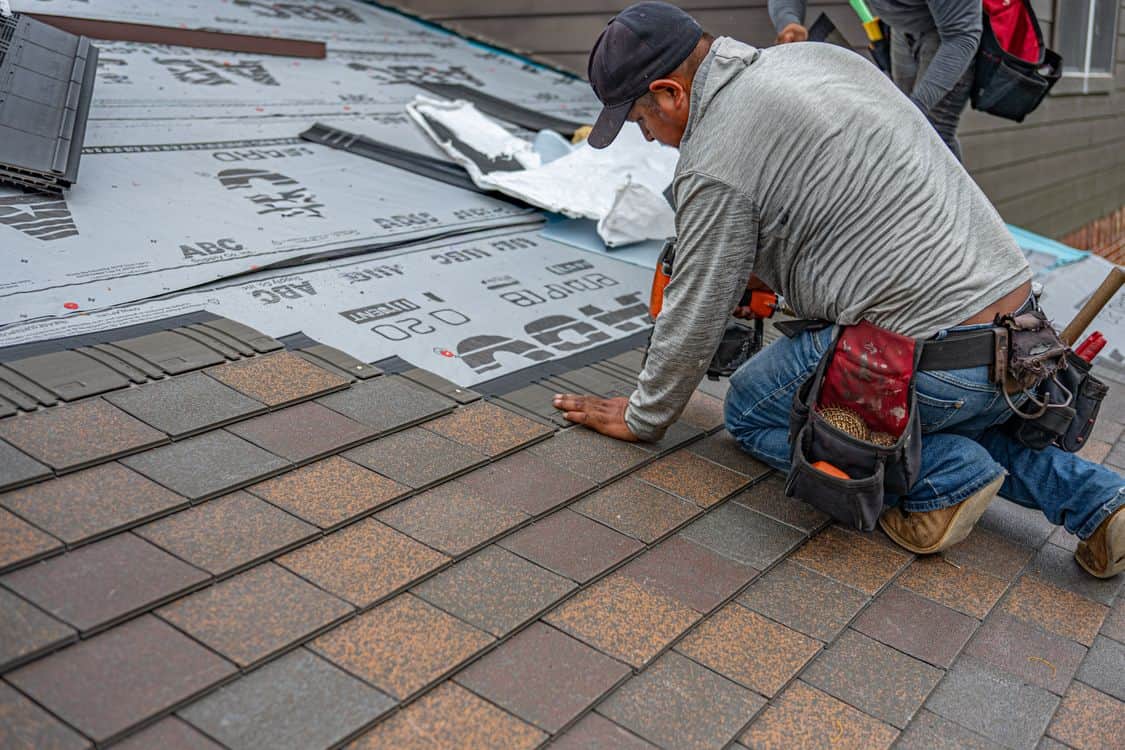
Beyond raw materials, a tight skilled-trades market is pushing installation costs up, because experienced roofers can command higher wages when crews are short and demand is high. Labour is now one of the largest variables in a roofing quote, and it is rising.
Supply-chain friction adds its own cost, with manufacturing and shipping delays meaning contractors sometimes pay more or wait longer for the same product. Insurance, equipment, and disposal costs have all crept up too. Stack these together and you get a quote that is higher across the board, not because of any single villain but because several inputs rose at once.
How to read your estimate in this climate
The practical defence is a detailed, itemized quote rather than a single lump sum. When material, labour, decking allowance, ventilation, flashing, and disposal are broken out, a homeowner in Mississauga or Toronto can see where the increase actually lives, and whether a given quote is high because of real scope or because of padding.
It also makes comparison meaningful. Two lump-sum numbers tell you almost nothing; two itemized quotes for the same scope tell you a great deal. The practical step is to give each contractor the identical detailed scope to price, so you are comparing like with like rather than guessing what each number quietly includes or omits.
Cheapest today is not cheapest overall
The final thing worth holding onto is that the lowest number on day one is not always the lowest cost over the life of the roof. A bargain install that skips ventilation, uses a thinner underlayment, or shortcuts the flashing can fail years early, turning a small upfront saving into a large premature replacement.
In a year when every input is up, the temptation to chase the cheapest bid is strong. But the homeowners who come out ahead are usually the ones who bought the right roof once, from a crew that did it properly, rather than the cheapest roof twice. An itemized quote from a reputable installer is what makes that the easy choice.