

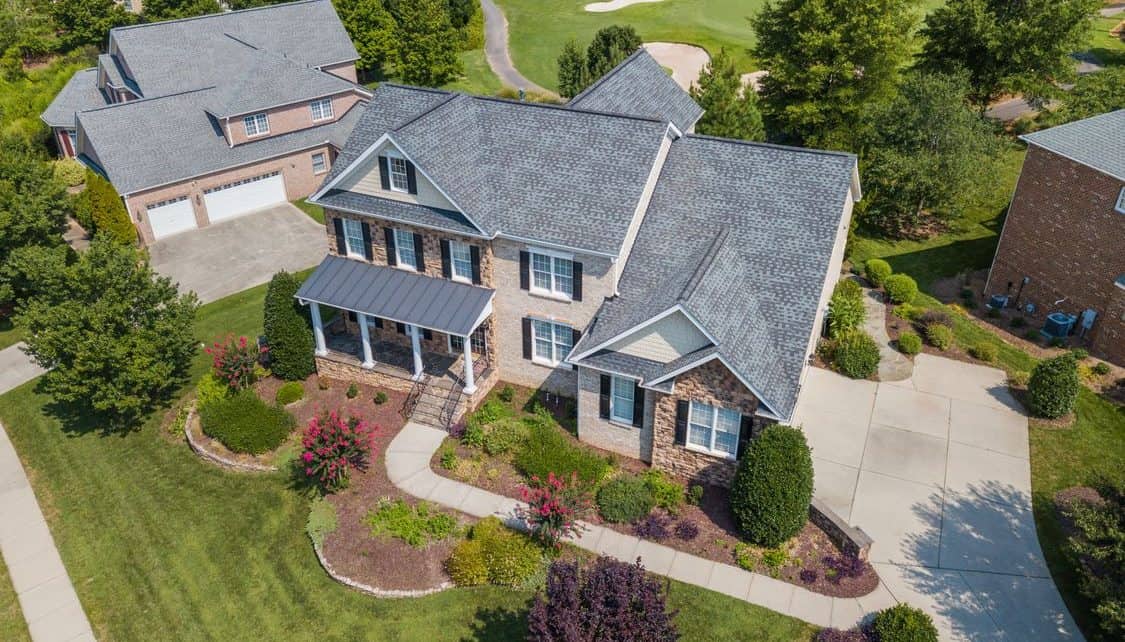
Home insurance in Ontario has been getting more expensive and more demanding at the same time, and the roof has become one of the things insurers scrutinize hardest. For some homeowners, coverage now comes with conditions that simply did not exist a few years ago.
The shift makes sense from the insurer’s side, even if it is unwelcome from the homeowner’s: after years of mounting weather losses, carriers are pricing and screening for risk more aggressively, and the roof is where a lot of that risk lives.
What is changing at renewal
Insurers facing years of severe-weather losses have tightened terms across the board. Deductibles that once sat around $500 now climb to as much as $10,000 for water and storm claims, and many carriers now ask for proof of updated roofing before they will write or renew a policy at all.
The roof is the house’s first line of defence against the weather, so it is logical that insurers, now pricing for more frequent and more severe storms, want evidence that the line is in good shape before they take on the risk.
Why the roof is the focal point
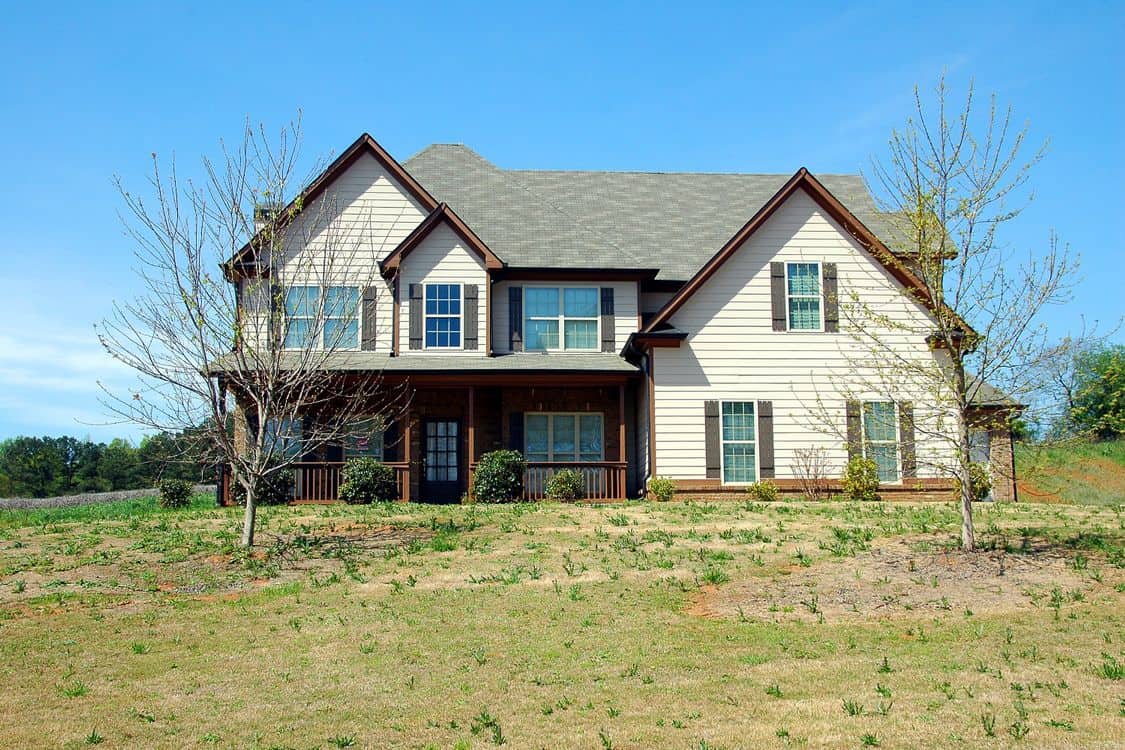
A large share of weather claims trace back, directly or indirectly, through the roof. Wind-lifted shingles, ice-dam leaks, water intrusion at worn flashing, and storm damage all start at the top of the house and work their way in.
Underwriters know this, so roof age and condition increasingly sit at the centre of the risk assessment, sometimes backed by aerial imagery or an inspection requirement. For a homeowner, that turns a re-roof from a pure maintenance expense into something that can affect whether coverage is available and what it costs.
How to stay ahead of it
The defensive move is documentation, gathered before the insurer asks rather than scrambled together after. Keeping records of roof work, material and workmanship warranties, permit paperwork, and a recent professional inspection gives a homeowner concrete evidence to put in front of a carrier asking questions.
That paperwork is also a reason to use a reputable, properly credentialed roofer in the first place: a firm that pulls permits, provides written warranties, and documents its work leaves you with exactly the records an insurer wants to see. With a transient, cash-only operator, that documentation simply does not exist when you need it.
A documented roof is an insurable roof
Policies, deductibles, and requirements vary by carrier, and none of this is insurance advice, but the direction of travel is unmistakable. The market is tightening, and the homeowners who fare best are the ones who can demonstrate that their roof is recent, well built, and well maintained.
In that environment, a documented, properly installed roof is not just about staying dry through the next storm. It is increasingly about staying insurable and affordably covered at all, which makes the quality of the roof, and the records that prove it, more valuable than ever.