


Gold has held a special place in finance for centuries and continues to attract attention from investors. Its physical nature and long history of use give it a distinct profile compared with stocks and bonds.
When uncertainty rises or inflation pressures build, gold often behaves differently than many other holdings. Below are clear reasons why buying gold is a strategy worth exploring for many market participants.
Gold As Wealth Preserver
Gold has been used as a means to store purchasing power across generations. Paper money can lose value when governments expand supply and pricing shifts occur.
A small holding of physical gold or allocated metal provides a tangible anchor that some people find reassuring during long cycles of currency weakness. That persistence of value explains why many view metal as a classic preservation tool.
Gains in nominal terms are not guaranteed but gold often keeps pace with consumer price rises over extended spans. It is not a promise of steady returns yet it behaves unlike typical income assets and can slow erosion of real wealth.
Investors who seek balance between risk and security have historically included some metal in cores of portfolios. That simple fact has kept demand steady across varied market phases.
Hedge Against Inflation
Gold often attracts attention when inflation is high or rising. Traders and long term holders look to the metal as a hedge when purchasing power looks under pressure.
Price movements can be volatile in the short run but over decades gold has often moved in the same direction as consumer costs. Market psychology plays a strong role in that link between price and price index readings.
Investors sometimes ask, “is moneymetals a good company,” and taking time to verify a dealer’s credentials and reputation is a smart step before buying. Checking reviews, credentials, and delivery policies can give peace of mind before committing to a purchase.
No hedge is perfect and outcomes vary across time frames and regions. Holding some metal works as one tactic among many to protect real value in a mixed asset approach.
Interest rate shifts, central bank actions and shifting supply dynamics influence the result. That interplay gives gold a place in strategies that aim to preserve spending power.
Portfolio Diversification Benefits
Adding metal to a collection of stocks and bonds can change overall risk patterns. Correlations often drop when turmoil hits equity markets and gold can move in a different direction.
The metal’s low correlation with many financial instruments has been documented by academics and market watchers alike. A modest allocation can produce smoother swings in total portfolio value over time.
Diversification does not eliminate loss but it spreads exposures across unlinked drivers of returns. That spread of risk matters when volatility spikes and single sector shocks occur.
Rebalancing between metal and other holdings gives investors a mechanical way to buy low and sell high. Discipline in following a plan often does more for results than clever timing.
Liquidity And Global Acceptance
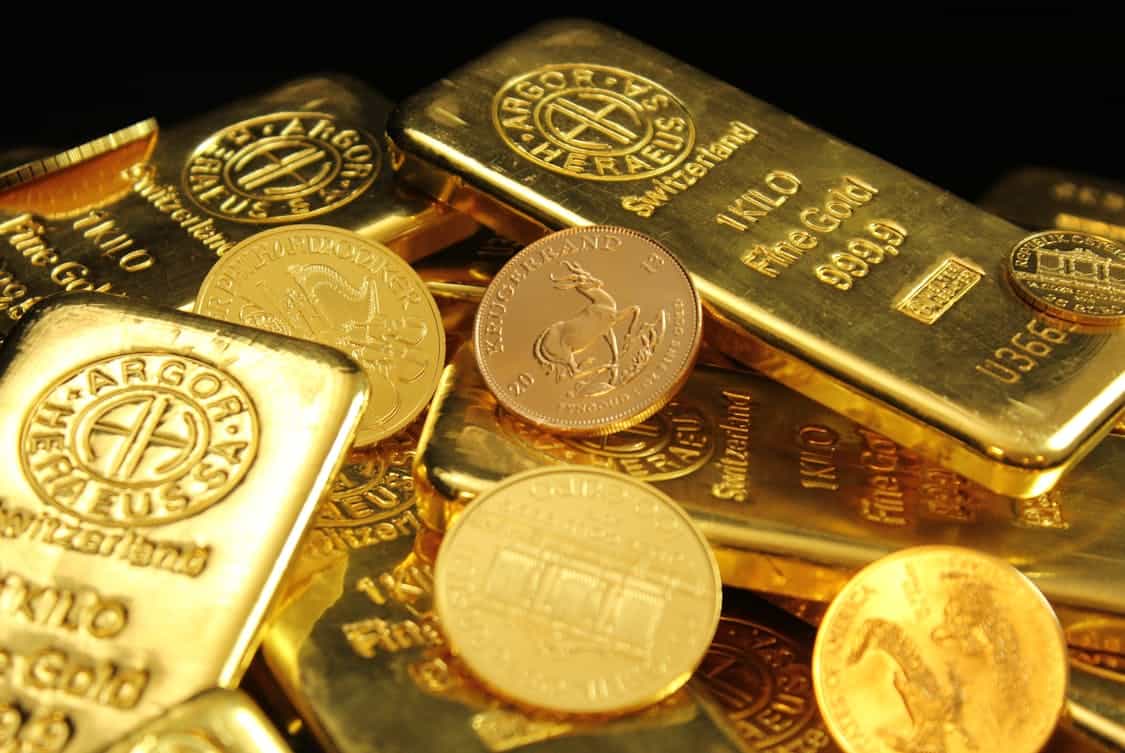
Gold trades in deep markets around the clock with hubs in multiple cities. Physical bars, coins and exchange traded instruments provide routes to buy and sell with relative ease.
That broad market depth means holders can access cash or redeploy capital without long waits in many situations. Global demand from central banks, private investors and industry keeps turnover high.
Acceptance as payment is limited in daily commerce but that fact does not hinder its marketability to financial buyers. Price transparency in electronic venues helps individuals check value in real time and match offers.
Storage and insurance add cost but also make holdings practical for large scale owners. For many, quick convertibility is a useful feature in times of stress.
Safe Haven During Uncertainty
When geopolitical or financial shocks occur, interest in gold tends to rise. Traders often switch into metal when confidence in other instruments drops, and that flow supports pricing.
The psychological aspect of a trusted asset matters as much as the supply and demand math. In moments of fear, owning something tangible comforts some investors.
Central bank buying during crises can also underpin price gains and gives a formal pillar to demand. Political turmoil and trade frictions can push capital toward assets that have long histories of cross border acceptance.
That willingness to hold metal in difficult times has created a reputation that holds weight with many market participants. Hence the label safe haven that often follows gold coverage.
Long Term Store Of Value
Gold is durable and scarce and those qualities matter when thinking across generations. Unlike paper or digital balances it does not corrode and it cannot be inflated away by a single ledger entry.
That makes it attractive for estate planners and people who want a visible asset that carries a legacy component. Cultural and historical momentum supports ongoing demand among a wide set of buyers.
Mining output grows slowly and above ground stock is limited which sets a ceiling on supply expansion. Large purchases by sovereign funds and jewelry demand create steady take up over time.
Price is set daily by multiple venues so long term holders must accept shorter swings. Patience is often rewarded where scarcity and steady demand combine.
Ways To Own Gold
There are direct and indirect routes to add metal to a financial program. Physical bars and coins give personal control but they need secure storage and insurance which add cost.
Exchange traded funds supply convenience with lower handling overhead and grant exposure to spot or futures backed holdings. Mining shares offer amplified exposure to metal moves but they come with company specific risk.
Allocated accounts with trusted custodians let large investors hold titled metal with audit trails and segregation. Smaller buyers can choose certified coins that trade easily in retail markets and keep provenance intact.
Each path has trade offs in terms of fees, liquidity and counterparty exposure so a clear plan helps. Matching form of ownership to goals and time horizon will affect outcomes over the long haul.